





























Sabbath Reading List (Weekly Schedule + Scriptures)

This Sabbath Reading List gathers the weekly Torah, Haftarah, Brit Hadashah, and Psalm readings into one place to help you prepare for Sabbath. Each week this page is updated with the current readings, a theme, and short summaries for study and reflection.


Sabbath Reading List weekly Torah portion reading guide

📖 Torah Portion Reading & Summary

Torah Portion —Beha’alotcha

Saturday, June 7th, 2026
Zadok: M03 · Day 7
נָבְּהַעֲלֹתְךָ — Beha’alotcha
“In Your Going Up” · Numbers 8:1–12:16

Torah Portion

Numbers 8:1–12:16

Beha’alotcha begins with the lighting of the menorah, showing that the light of Yahuah was to shine continually in the Tabernacle. The Levites are cleansed, dedicated, and set apart for service, reminding Israel that worship requires purity, order, and obedience. The portion also includes the observance of the second Passover for those who were unable to keep it at the appointed time, revealing Yahuah’s mercy and His desire for His people to remain connected to His covenant. Israel follows the cloud by day and fire by night, moving only when Yahuah directs them.

Yet the portion also reveals the danger of complaining, craving, and rejecting Yahuah’s provision. The people grumble over the manna, longing for Egypt instead of trusting the wilderness journey. Moses becomes overwhelmed by the burden of leadership, and Yahuah appoints seventy elders to help carry the weight. The portion ends with Miriam and Aaron speaking against Moses, and Miriam being struck with leprosy before being restored after Moses intercedes for her.

Haftarah

Zechariah 2:10–4:7

Zechariah’s vision points to restoration, cleansing, and the rebuilding of Yahuah’s house. Joshua the high priest is cleansed and clothed with clean garments, showing that Yahuah removes guilt and restores priestly service. The vision of the menorah connects strongly with the Torah portion, emphasizing light, Spirit, and covenant witness. The famous declaration, “Not by might, nor by power, but by My Spirit,” reminds us that Yahuah’s work is completed through His Spirit, not human strength.

New Testament Readings

1 Corinthians 10:6–13

Paul warns believers by using Israel’s wilderness failures as examples. The passage connects directly to Beha’alotcha by warning against craving evil things, idolatry, testing Messiah, and grumbling.

John 6:31–35

Yeshua identifies Himself as the true bread from heaven. This connects with the manna in the wilderness and shows that physical provision pointed toward a deeper spiritual fulfillment.

Hebrews 3:1–6

This passage compares Moses as a faithful servant in Elohim’s house with Messiah as Son over the house. It connects with Moses’ leadership in Beha’alotcha and highlights the greater authority of Messiah.

Revelation 8:1–5

The prayers of the saints rise before Elohim with incense. This connects with Tabernacle imagery, priestly service, and the heavenly pattern behind earthly worship.

🎵 Psalms

Psalm 27 — Yahuah is light and salvation, connecting with the menorah and the call to trust His presence.

Psalm 78 — Recalls Israel’s wilderness rebellion, manna, testing, and Yahuah’s mercy.

Psalm 95 — Warns against hardening the heart as Israel did in the wilderness.

Psalm 121 — A reminder that Yahuah watches over His people as they journey under His care.


Parashah Summary

Beha’alotcha

בְּהַעֲלֹתְךָ — “In Your Going Up”

Numbers 8:1–12:16

The Torah portion Beha’alotcha is one of the most layered and revealing portions in the wilderness journey of Israel. Its name comes from the Hebrew word meaning “when you cause to ascend” or “when you set up,” referring specifically to Aaron’s responsibility to light the menorah so that its flames would rise upward. This opening command establishes the central theme of the entire portion: elevation. Yahuah is continually calling His people upward—upward in holiness, upward in obedience, upward in trust, and upward into deeper covenant relationship with Him. Yet this portion also reveals the tension between Yahuah’s upward calling and humanity’s tendency to drift downward into complaint, rebellion, and unbelief. Throughout Beha’alotcha, we witness the contrast between divine order and human resistance, between heavenly provision and earthly dissatisfaction, between covenant faithfulness and fleshly weakness.

The portion begins with Yahuah commanding Moses to instruct Aaron regarding the lighting of the seven-branched menorah in the Tabernacle. Aaron is to arrange the lamps so they shine forward, illuminating the holy place. This was not merely a practical instruction about lighting. The menorah represented the living testimony of Yahuah’s presence among His people. Its continual light symbolized revelation, holiness, truth, and the illumination that comes only through His Spirit. The command to cause the lamps to ascend teaches that true light rises upward toward heaven. The menorah points prophetically to the calling of Yahuah’s people to shine as lights in a dark world, reflecting His character and His truth.

This image connects deeply with Zechariah’s vision of the golden lampstand and with Yeshua’s declaration that He is the light of the world. The menorah reminds Israel—and us—that divine illumination is not self-generated. It is maintained through obedience, devotion, and continual dependence upon Yahuah. The priest’s responsibility to tend the light reflects the believer’s responsibility to guard and nurture the spiritual flame entrusted to them.

The focus then shifts to the consecration of the Levites. Yahuah commands that the Levites be cleansed and formally set apart for service. They are washed, purified, and presented as a wave offering before Yahuah on behalf of all Israel. This moment emphasizes substitution and representation. The Levites are taken in place of the firstborn sons of Israel, becoming wholly devoted to Yahuah’s service in the Tabernacle.

This consecration reveals an important truth about covenant service: before one can serve in Yahuah’s house, one must first be cleansed and set apart. Service in His presence is never casual or common. It requires preparation, purification, and surrender. The Levites’ dedication reminds us that ministry is not simply about activity; it is about consecration. Their lives became a living offering, wholly given to Yahuah for His purposes.

The age requirements given for Levitical service also teach wisdom regarding stewardship and maturity. There is a season for preparation, a season for active labor, and a season for supporting others in service. Yahuah’s kingdom functions through divine order, not disorder or self-appointment.

Next, the portion introduces the provision of the Second Passover. Certain men had become ceremonially unclean through contact with the dead and therefore could not participate in Passover at its appointed time. They approached Moses, grieved that they would be excluded from covenant participation. Moses brought the matter before Yahuah, and Yahuah established a gracious provision: those unable to keep Passover at the appointed time could observe it one month later.

This command reveals Yahuah’s mercy and His desire for inclusion in covenant faithfulness. He makes provision for those hindered by legitimate circumstances, demonstrating that He values sincere desire to obey. Yet this grace is balanced by accountability. Those who neglect Passover without cause remain responsible for their refusal. This teaches that while Yahuah is compassionate and merciful, His appointed times are not optional conveniences. Covenant relationship requires faithful response.

The second Passover also carries prophetic significance. It reflects Yahuah’s redemptive plan to extend covenant opportunity beyond expected boundaries. It hints at the widening invitation of redemption and demonstrates that Yahuah provides a way for restoration when circumstances hinder obedience.

The narrative then turns to one of the most powerful images of wilderness guidance: the cloud over the Tabernacle. By day it appeared as a cloud, and by night as fire. Whenever the cloud lifted, Israel moved. Whenever it remained, Israel camped. Whether the cloud stayed for a day, a month, or longer, Israel was to remain until Yahuah directed otherwise.

This passage teaches profound lessons about dependence and trust. Israel was not permitted to move according to preference, convenience, or impatience. Their journey was governed entirely by Yahuah’s presence. The wilderness required radical surrender to divine timing.

This is one of the clearest pictures of walking by faith. Sometimes Yahuah moves quickly, requiring immediate obedience. At other times He delays, requiring patience and stillness. Faithfulness is not measured by activity alone but by responsiveness to His leading. The cloud reminds us that success in covenant life is found not in rushing ahead or lagging behind, but in moving when Yahuah moves.

Following this, Yahuah instructs Moses to make two silver trumpets. These trumpets were to be used for assembling the congregation, directing movement, signaling war, and announcing appointed times. Their clear sound brought order to the camp.

The trumpets symbolize divine communication. Yahuah speaks clearly to direct His people, gather them together, prepare them for battle, and call them to worship. Their silver construction reflects redemption, reminding Israel that divine instruction comes within covenant relationship.

The sounding of the trumpets points prophetically to the future gathering of Yahuah’s people and the ultimate trumpet that will announce fulfillment of His purposes. They teach the importance of spiritual attentiveness. Those who belong to Yahuah must learn to recognize His call and respond without hesitation.

The departure from Sinai marks a major transition. After nearly a year at the mountain, Israel finally begins moving toward the Promised Land. The Ark of the Covenant goes before them, and Moses declares, “Rise up, Yahuah, and let Your enemies be scattered.” When the Ark rested, he prayed for Yahuah to return to the countless thousands of Israel.

This scene reveals that Israel’s journey depended entirely upon Yahuah’s presence. The Ark going before them symbolized divine leadership and victory. Their success was never rooted in military strength or human strategy but in Yahuah Himself.

Yet almost immediately after this glorious departure, the people begin to complain.

The first outbreak of rebellion comes as the people grumble in the hearing of Yahuah. His anger is kindled, and fire breaks out at the edge of the camp. Moses intercedes, and the fire is quenched.

This event establishes a sobering truth: complaint is not a small matter in covenant life. Grumbling reveals a heart dissatisfied with Yahuah’s provision. It reflects distrust in His goodness and resistance to His purposes. What may appear to be ordinary dissatisfaction is often rooted in unbelief.

Soon after, the mixed multitude among Israel begins craving meat, and the entire camp joins in weeping for the foods of Egypt—fish, cucumbers, melons, leeks, onions, and garlic. They despise the manna, declaring that their souls have dried away.

This moment exposes the danger of selective memory. The people romanticize Egypt while forgetting its bondage. They remember the pleasures but ignore the slavery. This is the deception of the flesh: it often glamorizes what Yahuah delivered us from.

Their rejection of manna is especially grievous because manna was miraculous provision from heaven. To despise it was to despise Yahuah’s care. The manna represented daily dependence, teaching trust one day at a time. Their craving for Egypt’s food reflected a deeper rejection of dependence upon Yahuah.

Moses himself becomes overwhelmed by the people’s constant complaints. He pours out his frustration before Yahuah, confessing that the burden is too heavy for him to bear alone.

In response, Yahuah instructs Moses to gather seventy elders. Yahuah places His Spirit upon them so they may help bear the burden of leadership. They prophesy as a sign of divine empowerment.

This moment reveals Yahuah’s provision for shared leadership. Even faithful leaders have limits. Moses’ exhaustion does not result in rebuke but in support. Yahuah demonstrates that His work is not intended to crush those He calls. He supplies what is needed through community and shared responsibility.

When Eldad and Medad prophesy in the camp, Joshua objects. But Moses responds with remarkable humility, expressing his desire that all Yahuah’s people would receive His Spirit.

This statement points prophetically toward the outpouring of the Spirit. Moses recognizes that the true solution is not centralized control but widespread empowerment by Yahuah’s Spirit.

Yahuah then responds to Israel’s craving by sending quail in overwhelming abundance. Yet while the meat is still in their mouths, a severe plague strikes the people.

This judgment reveals the danger of receiving what the flesh demands apart from spiritual discernment. Sometimes Yahuah grants what people insist upon, allowing the consequences to expose the emptiness of fleshly desire. The place is named Kibroth-hattaavah, “the graves of craving,” a lasting reminder that unchecked desire leads to destruction.

The final account concerns Miriam and Aaron speaking against Moses because of his Cushite wife. Beneath their complaint lies jealousy over Moses’ unique prophetic authority.

Yahuah summons the three siblings to the Tent of Meeting and declares that while He speaks to prophets through visions and dreams, He speaks with Moses face to face. Moses is described as the most humble man on the earth.

Yahuah’s defense of Moses teaches that divine calling is not to be challenged through jealousy or ambition. Leadership authority comes from Yahuah, not human competition.

Miriam is struck with leprosy, becoming white as snow. Aaron immediately repents, and Moses cries out for her healing with a brief but powerful prayer.

Though Miriam is healed, she must remain outside the camp for seven days. Israel waits for her restoration before continuing the journey.

This conclusion highlights both justice and mercy. Yahuah disciplines, but He also restores. Moses’ intercession reflects true humility and compassion. Though wronged, he pleads for Miriam’s healing.

Beha’alotcha ultimately reveals the upward call of covenant life. The lamps ascend. The Levites are lifted into service. Passover is extended for restoration. The cloud leads upward into trust. The trumpets call upward into obedience. Yet the people repeatedly resist through complaint, craving, and rebellion.

The portion asks every generation a searching question: Will we rise upward into trustful obedience, or will we descend into dissatisfaction and unbelief?

The answer lies in fixing our eyes upon Yahuah’s presence, receiving His provision with gratitude, walking in humility, and allowing His Spirit to elevate our hearts. Beha’alotcha reminds us that the wilderness is not merely a place of testing—it is a place of transformation. Yahuah uses it to teach dependence, refine character, and prepare His people for inheritance.

The call of this portion is clear: keep the lamp burning, follow the cloud, heed the trumpet, reject complaint, and walk upward in faithful obedience to Yahuah.


Additional Resources:

The Unexpected Cosmology

Bible Gateway

Sefaria

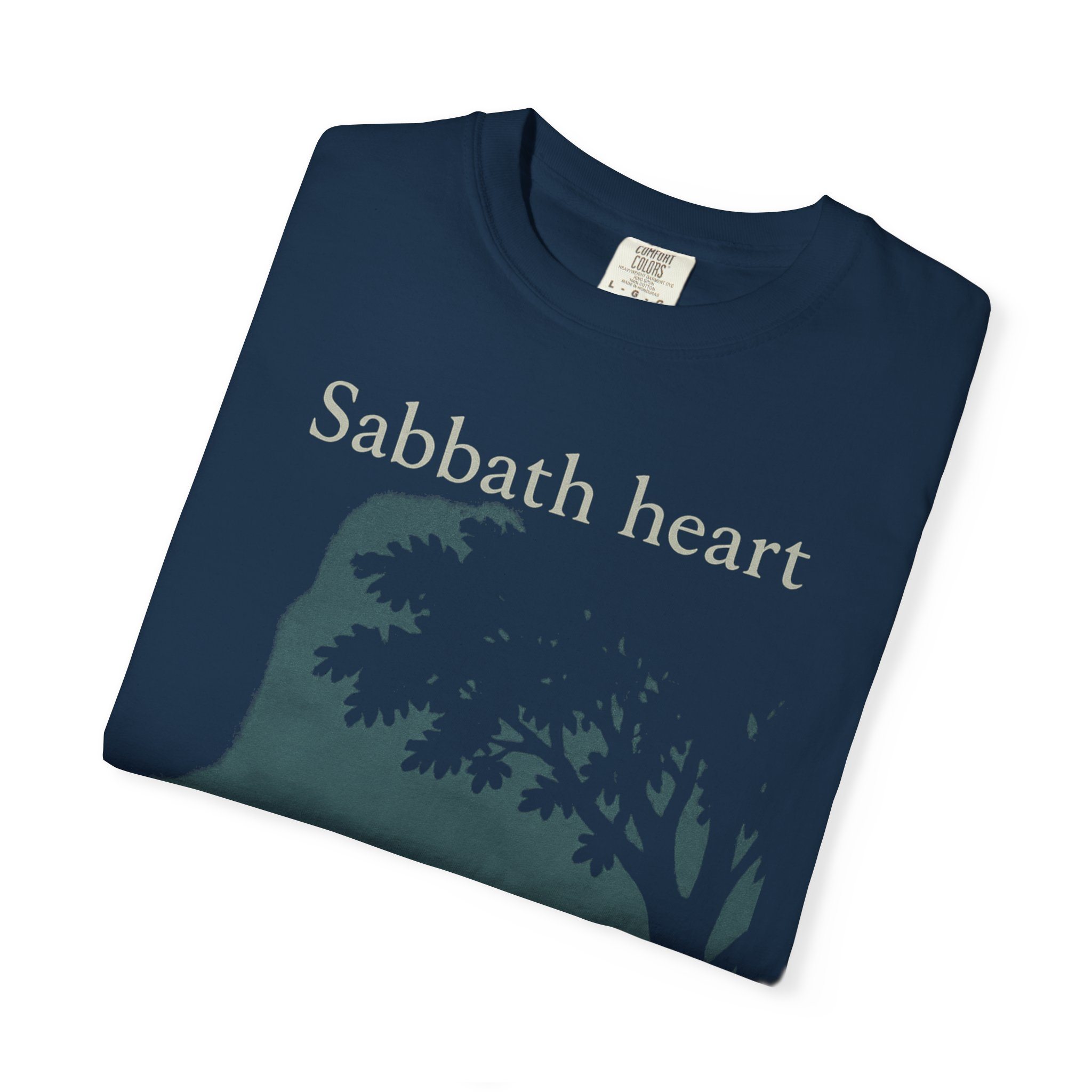
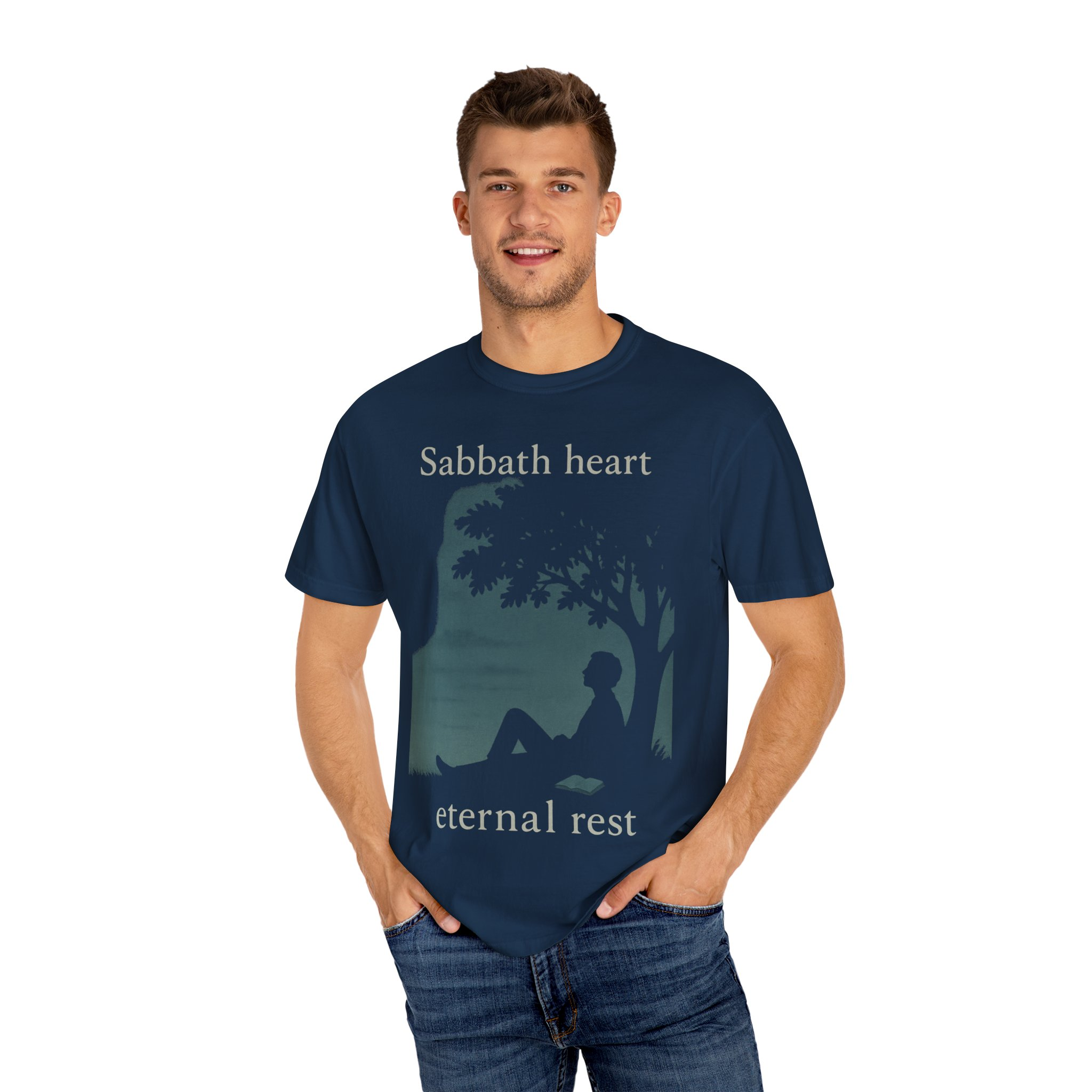
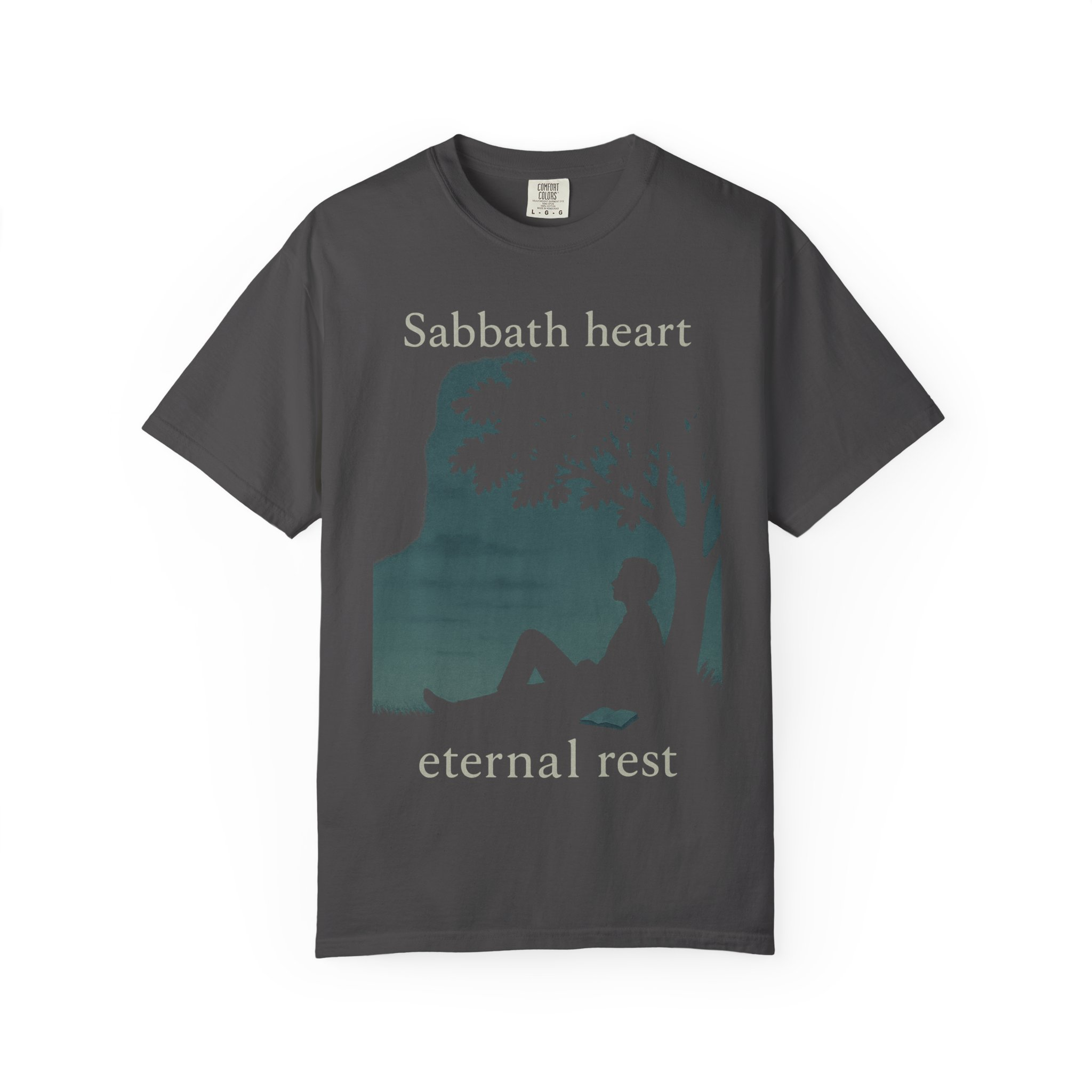
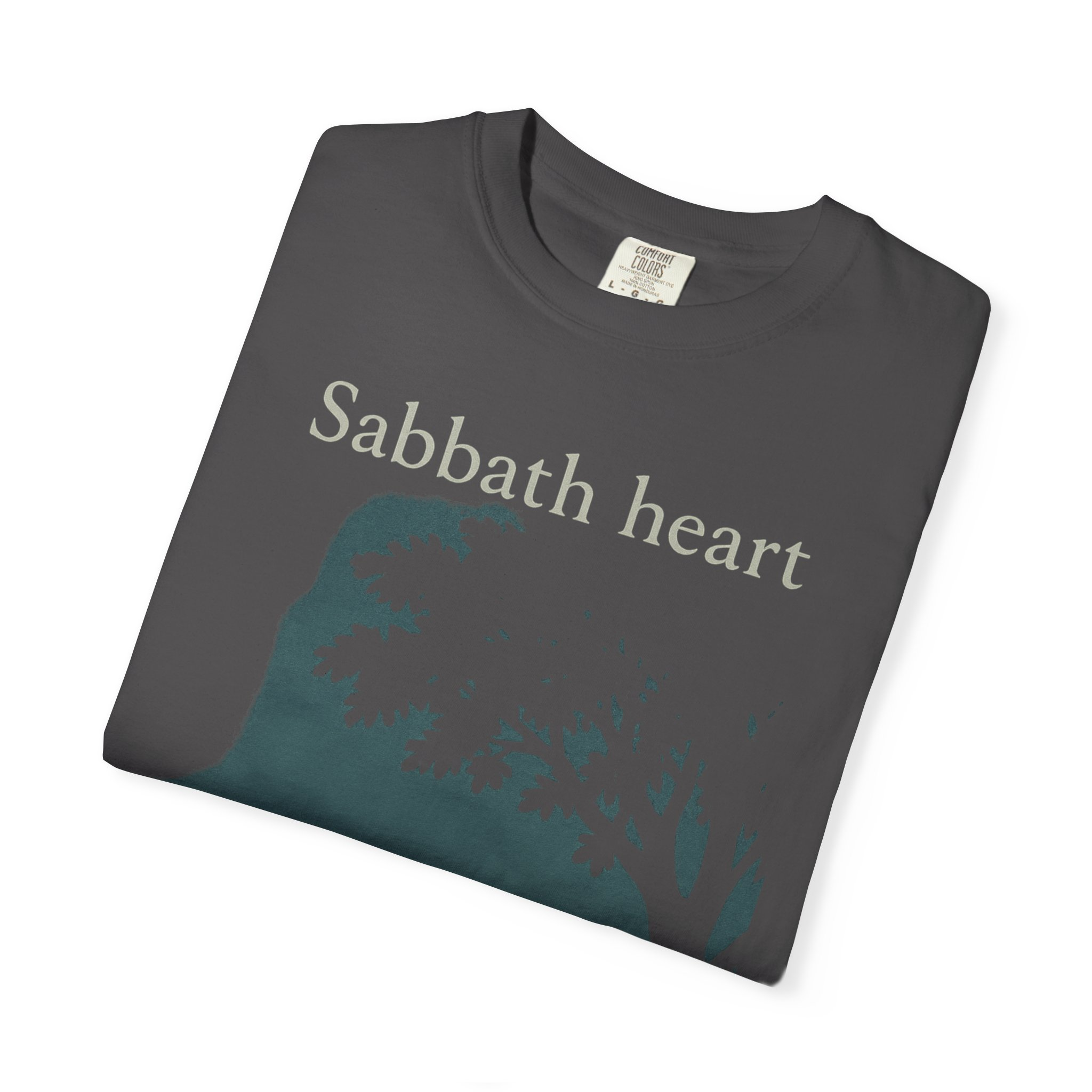
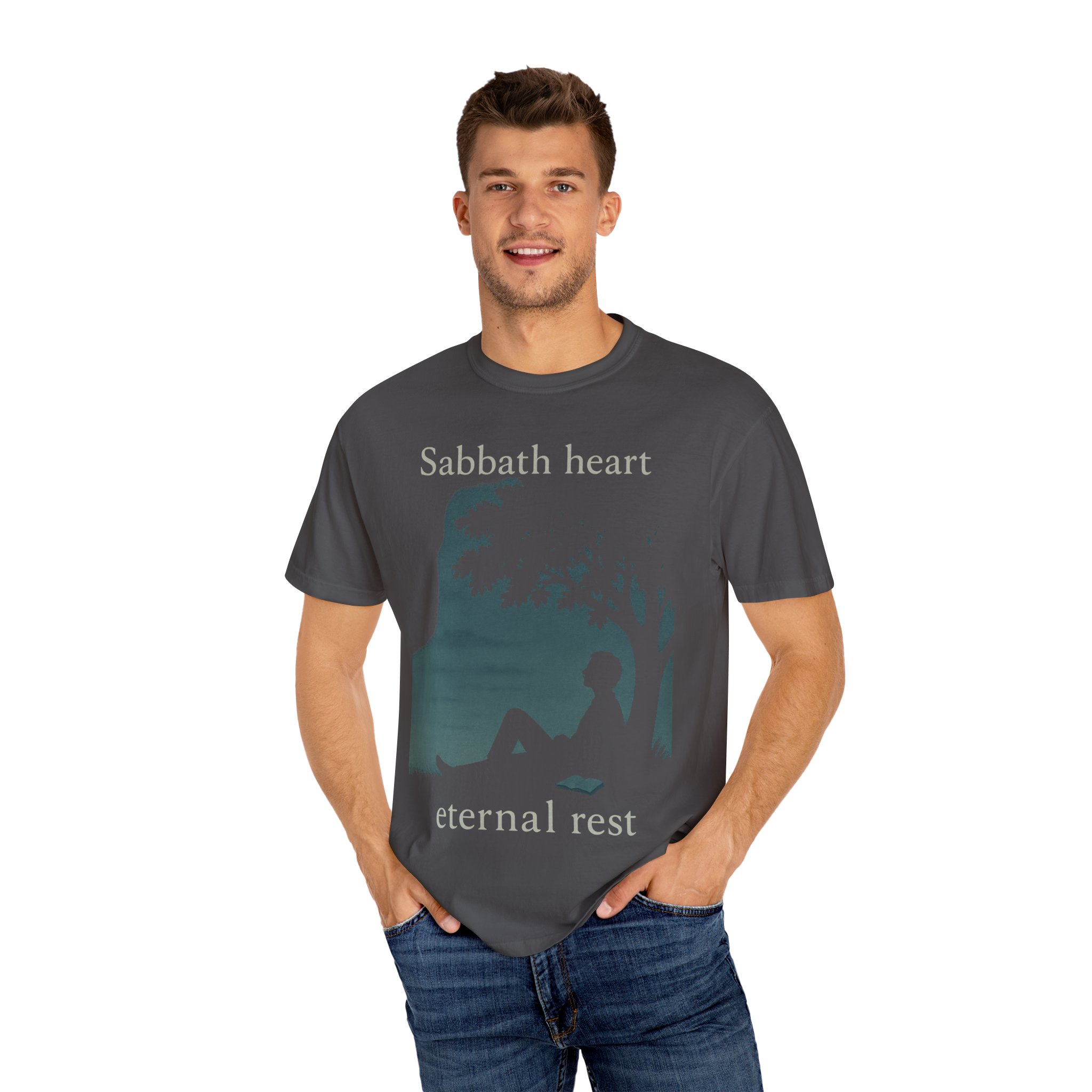
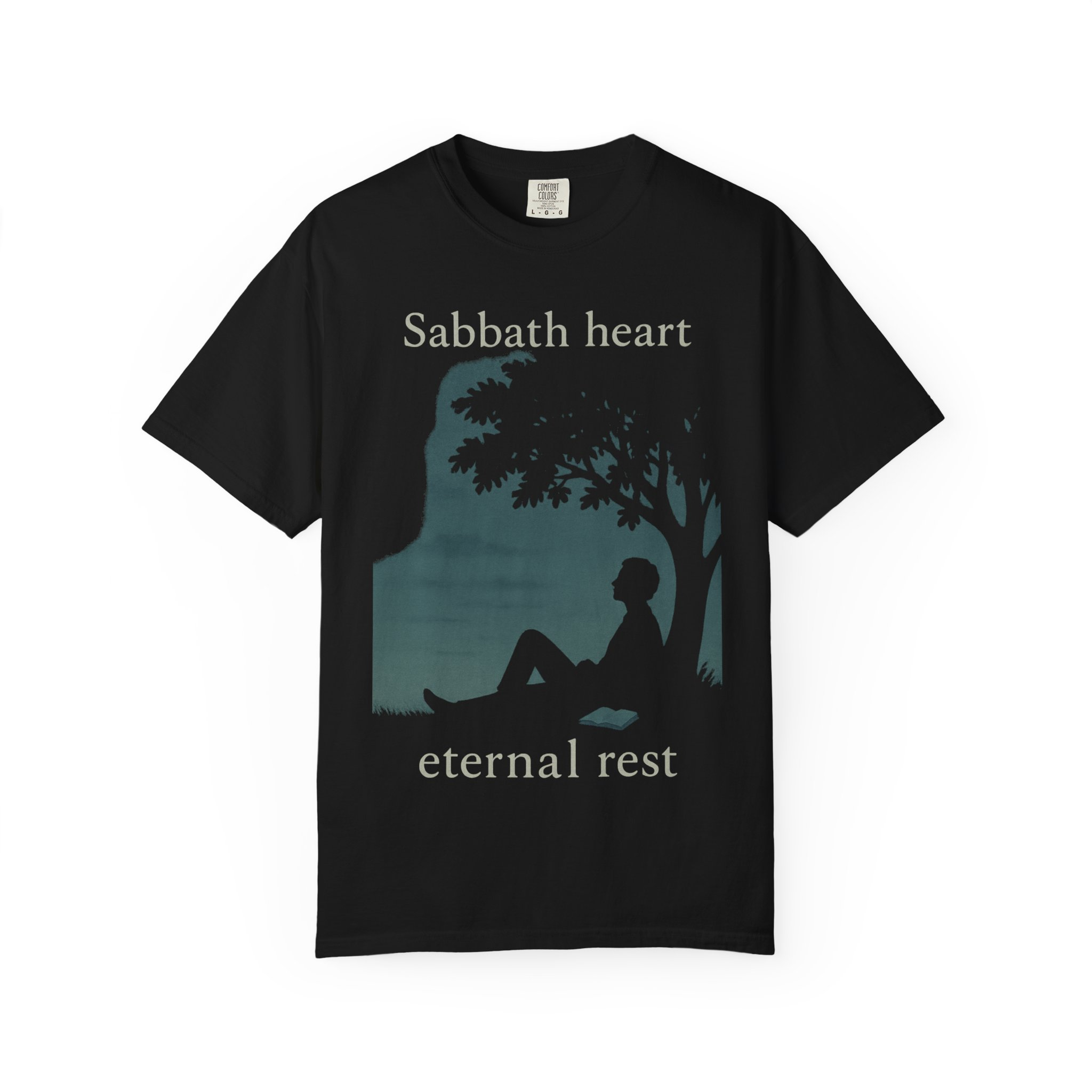
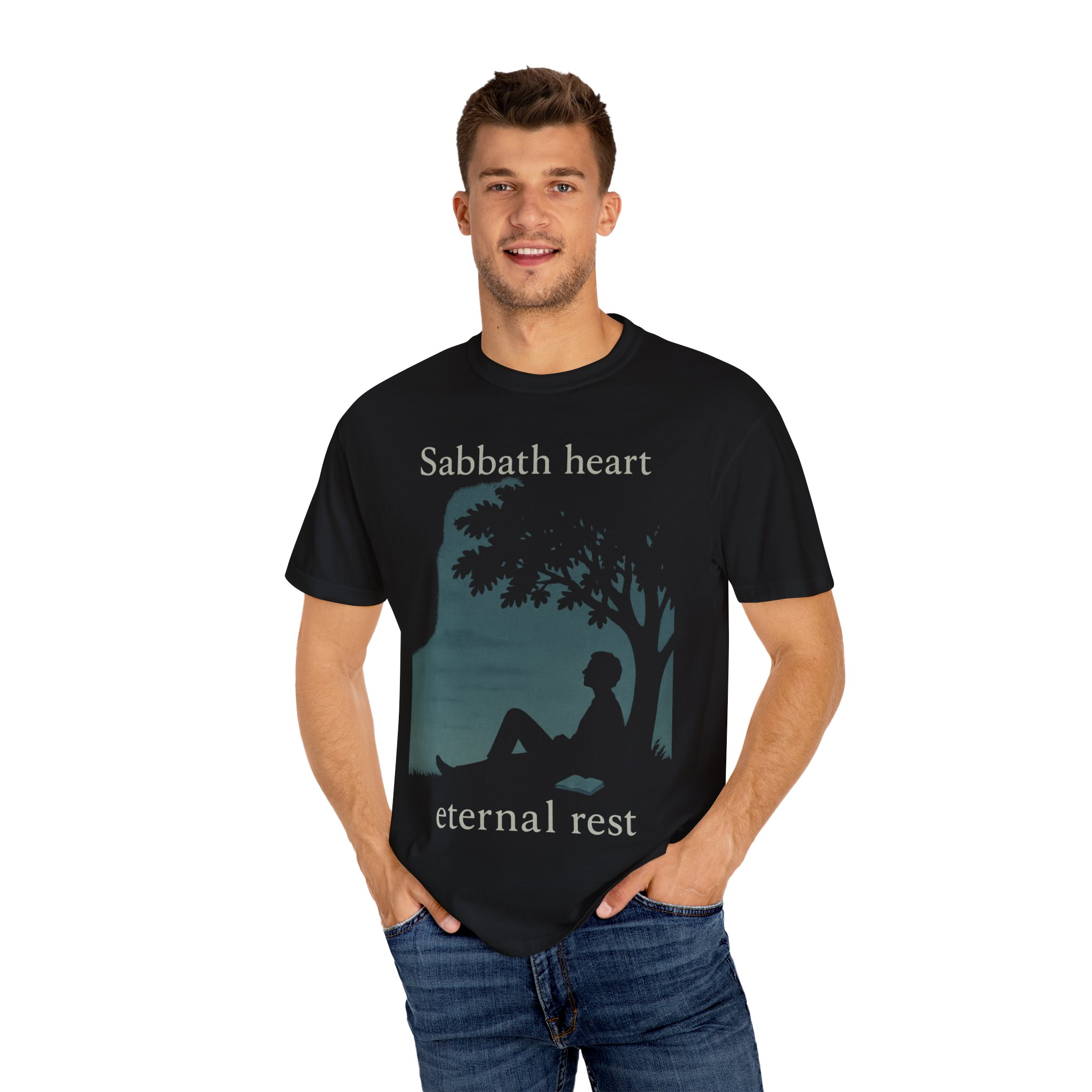
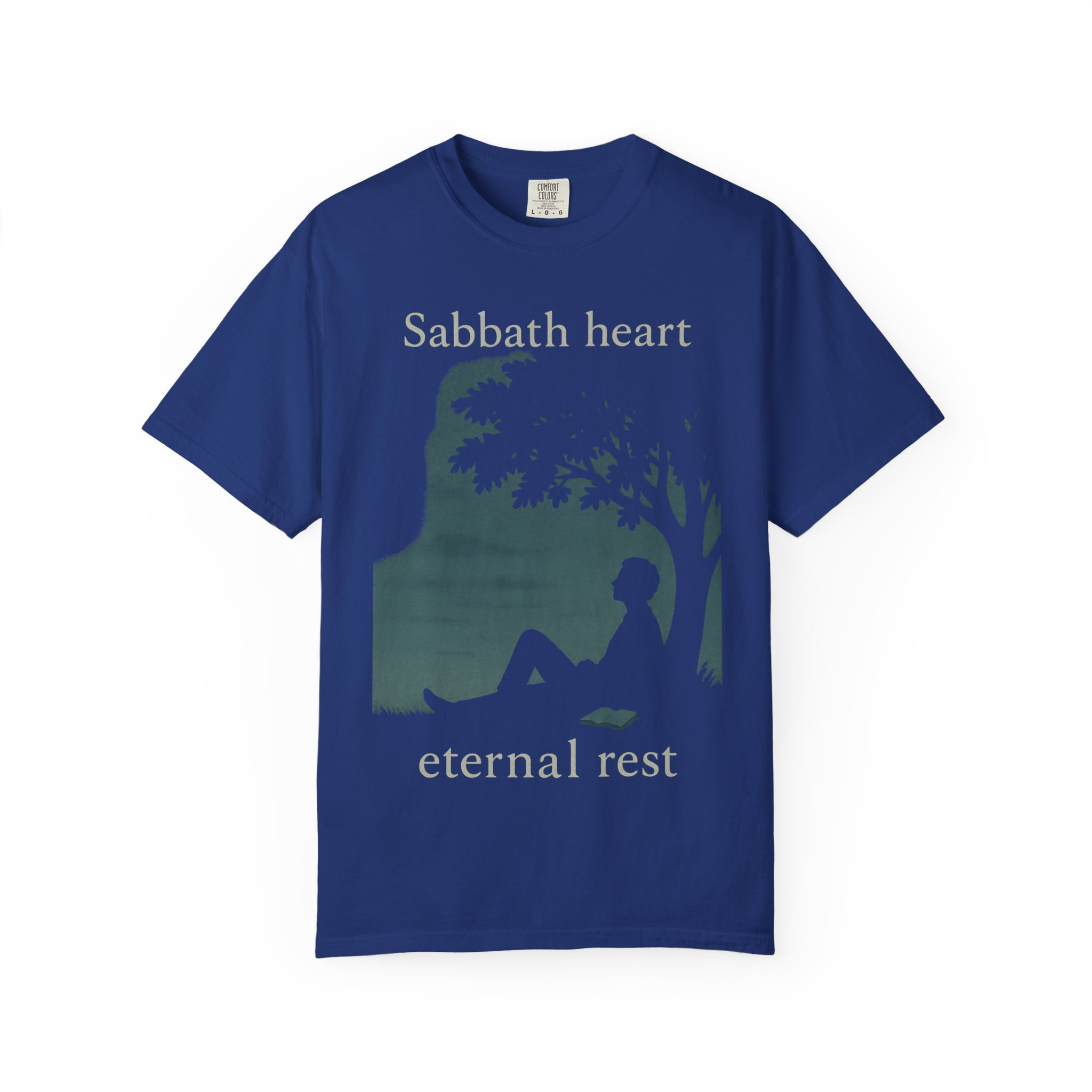
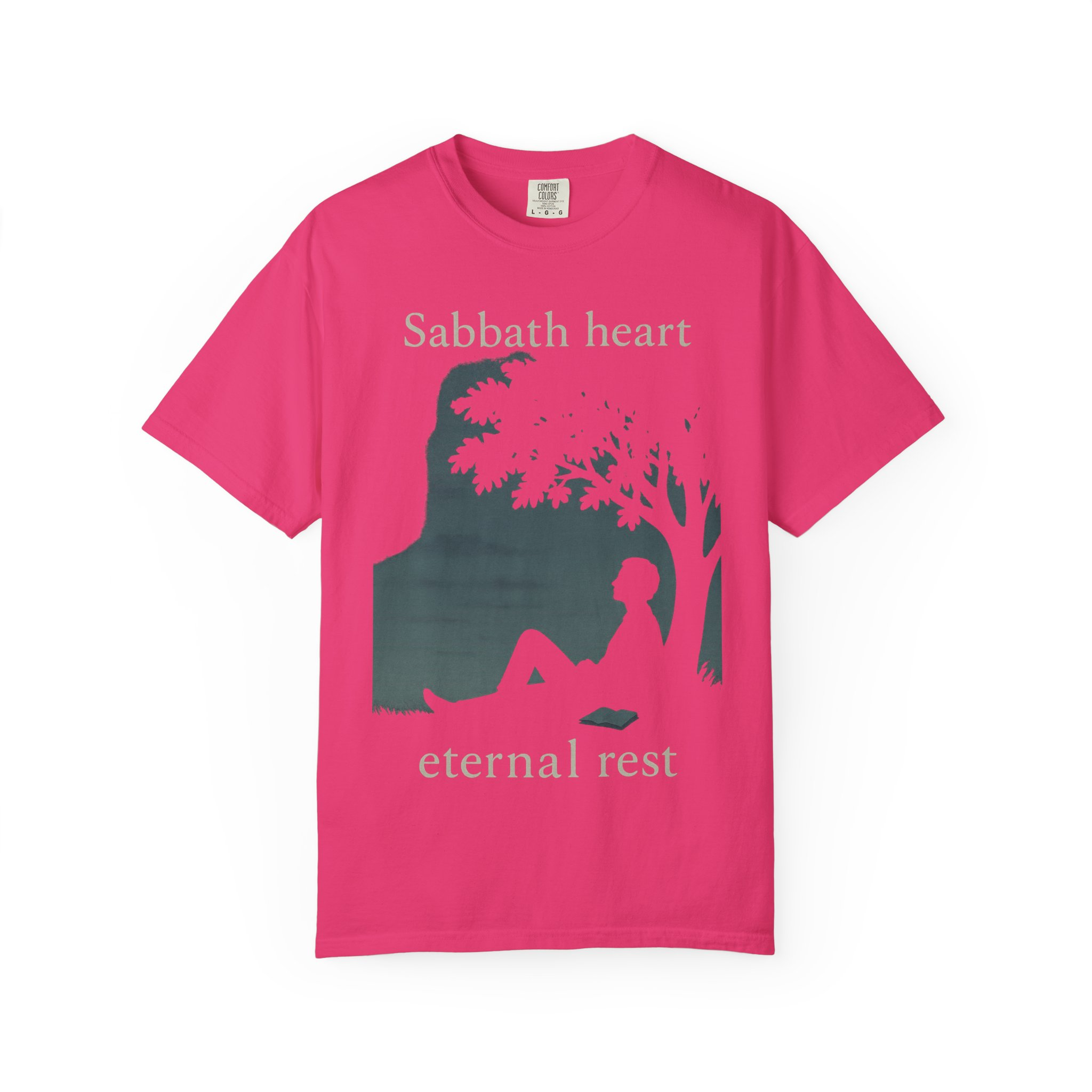
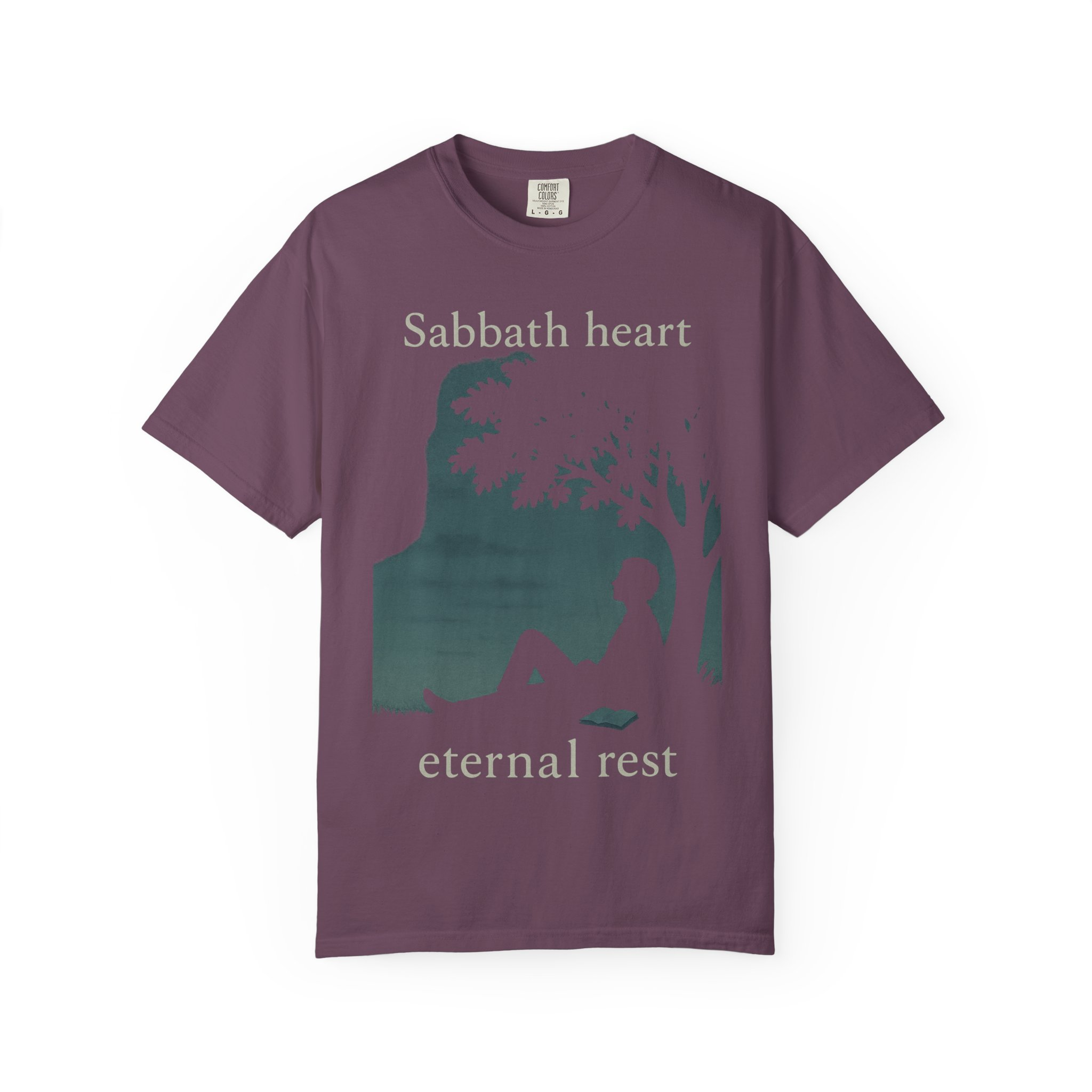
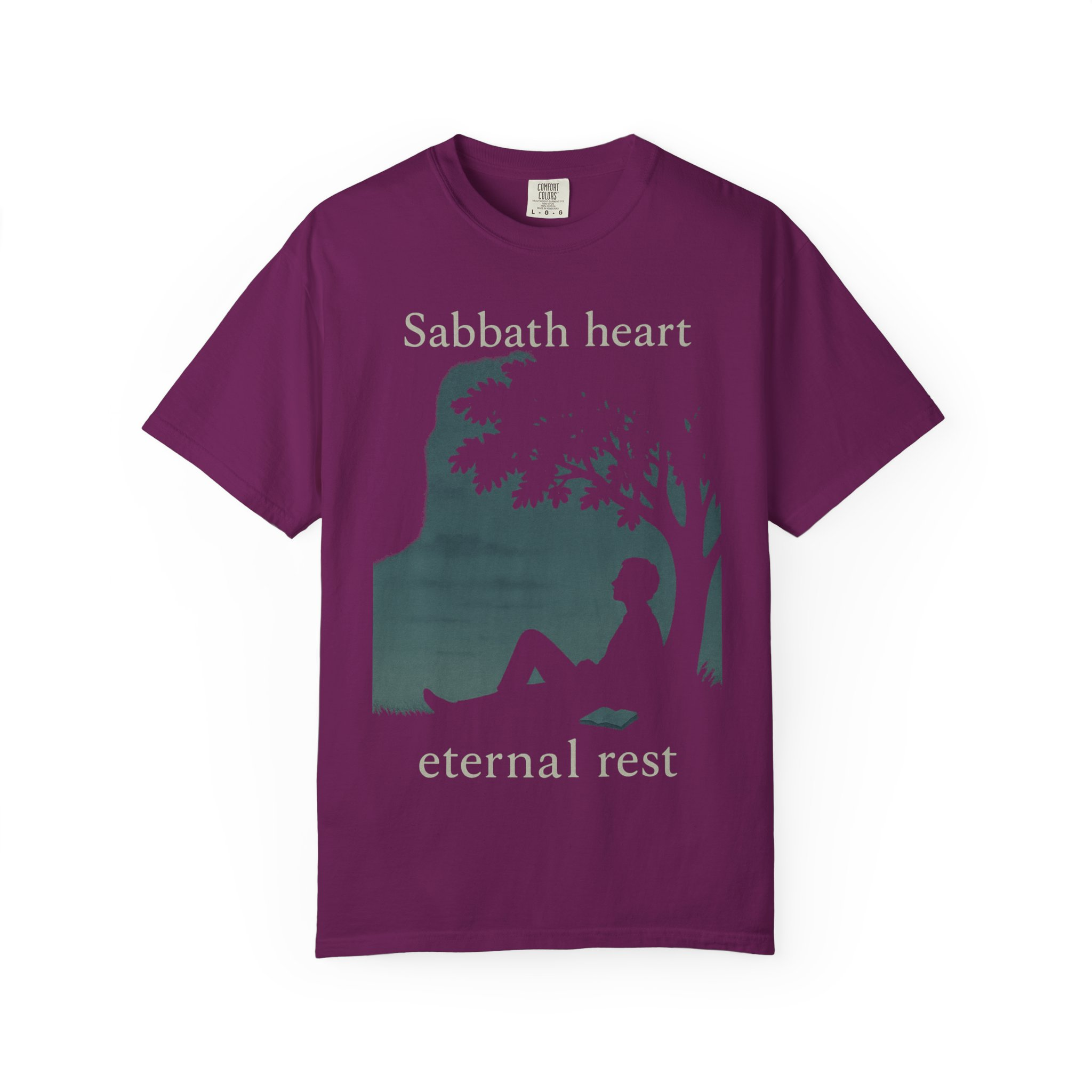
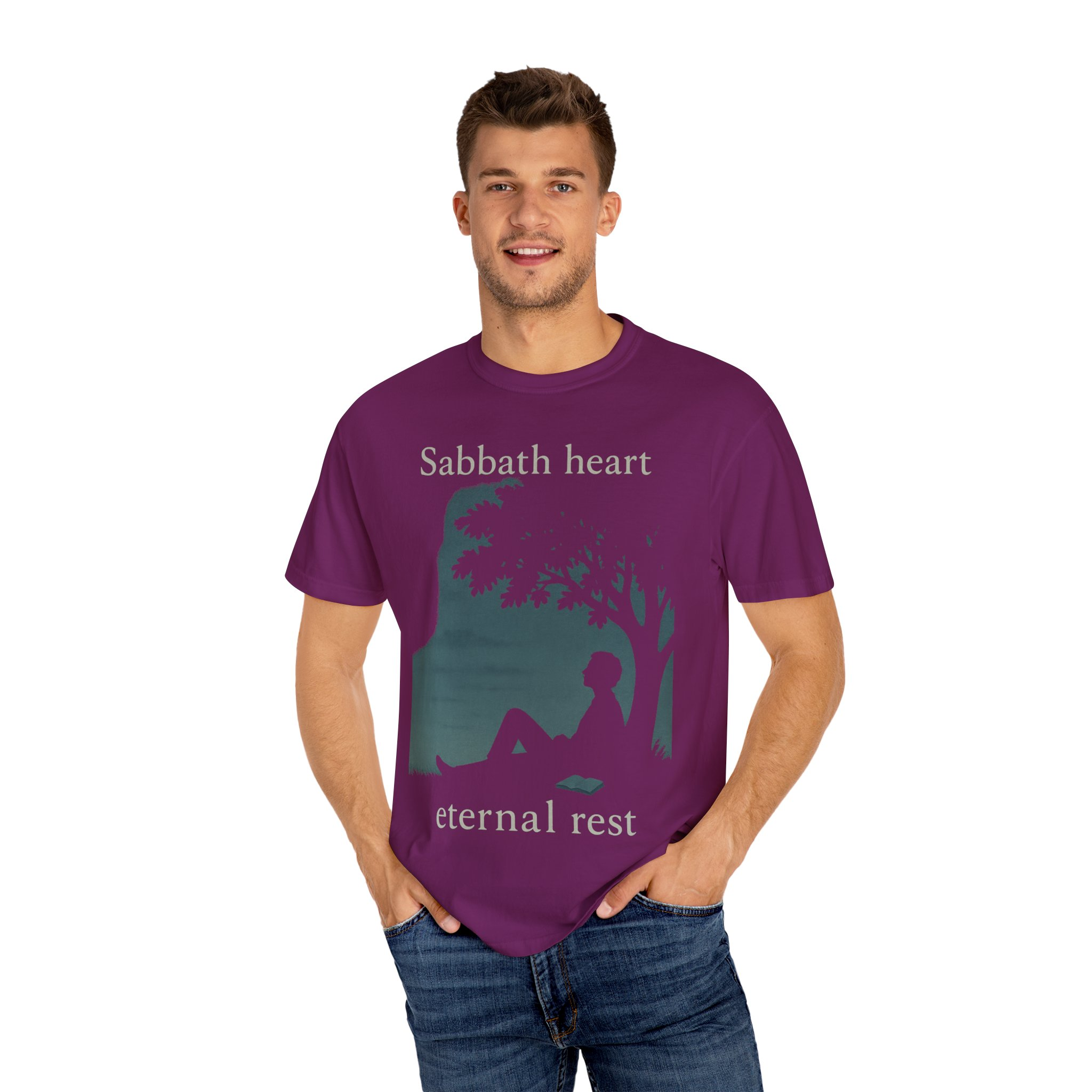
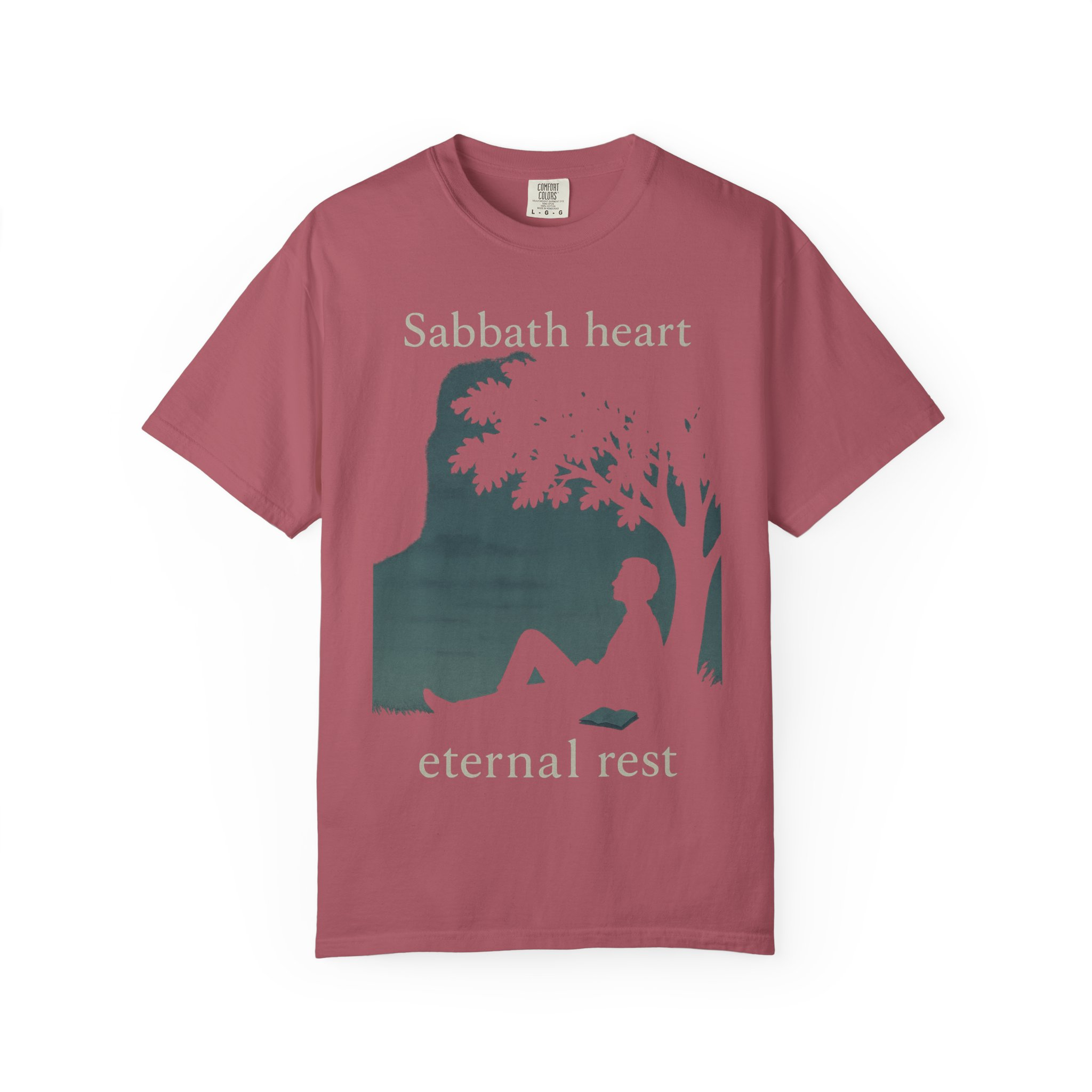
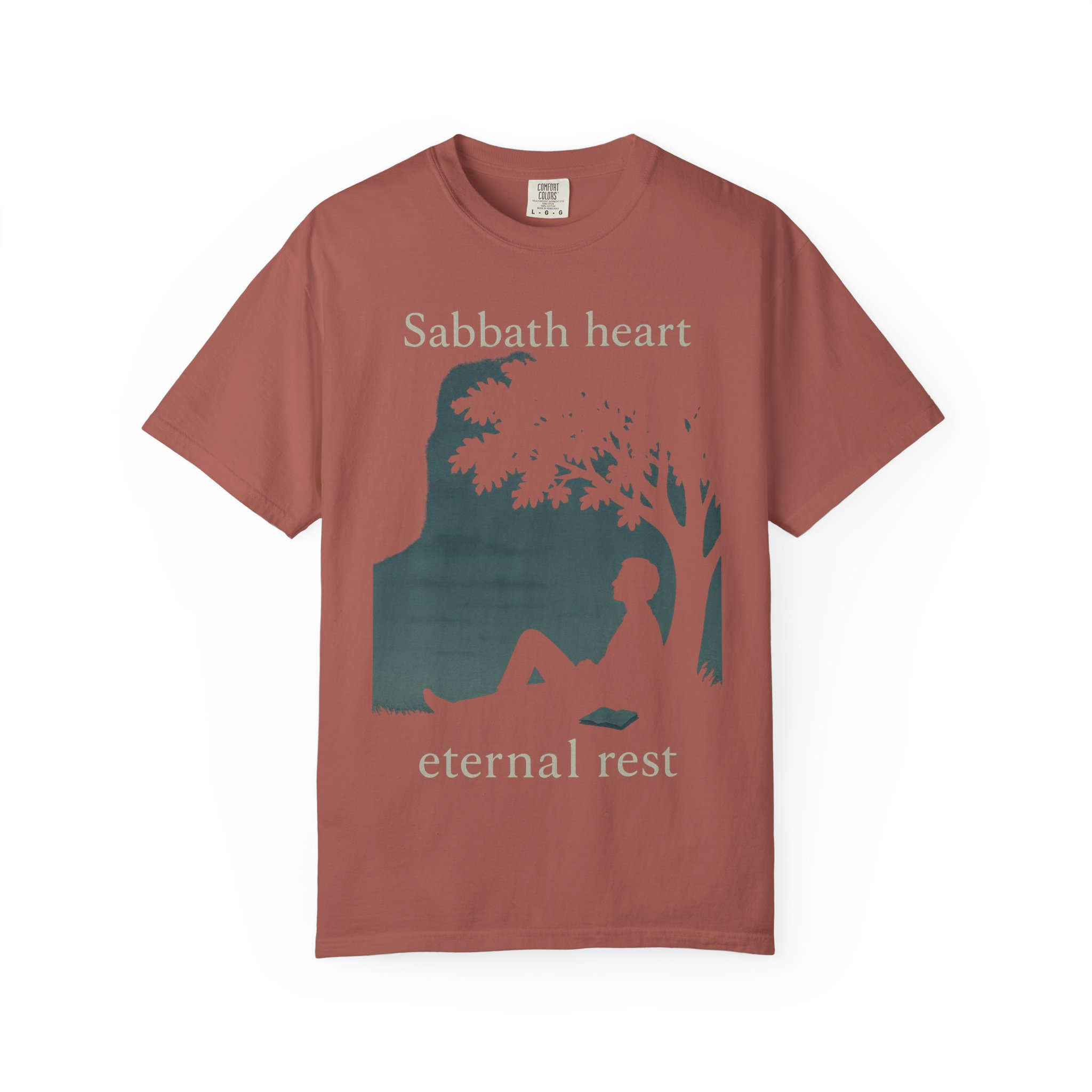
📦 Wear Your Torah Walk

Celebrate your love for Torah with faith-inspired apparel from HalleluYah Prints. Perfect for Shabbat, feast days, and everyday Scripture study.

Want the weekly Sabbath Reading List in one place each week? Visit the Sign Up page to join our mailing list.