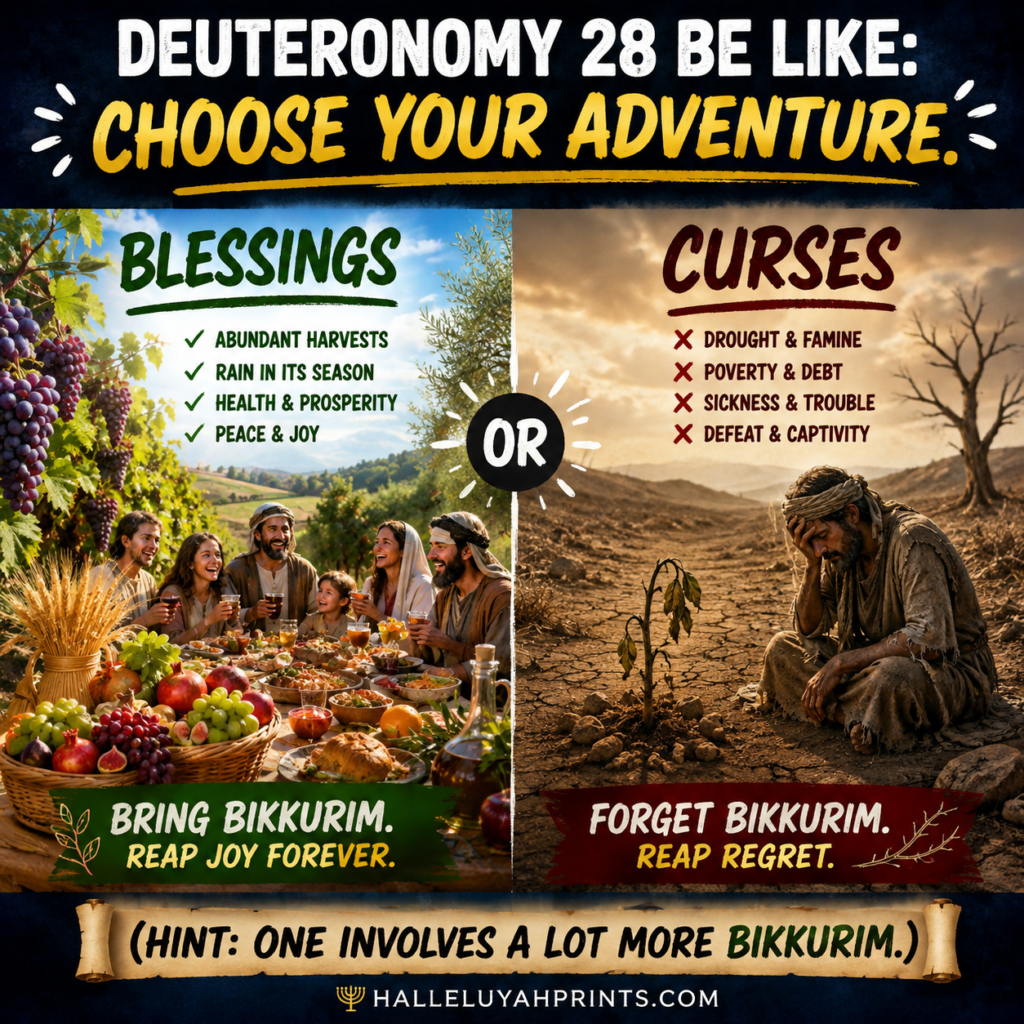
Torah Portion Meme of the Week

Welcome to our Torah Portion Meme of the Week, where Scripture, creativity, and the weekly Parashah come together. Each Torah portion meme is designed to encourage obedience, reflection, and a deeper love for Yahuahโ€™s Word. These weekly Bible memes highlight themes from the Torah reading, including holiness, covenant, faithfulness, repentance, worship, and walking in the way.

This Weekโ€™s Torah Portion Meme

A Lesson from Mattotโ€“Massei โ€” Tribes and Stages

Numbers 30:1โ€“36:13

Mattotโ€“Massei is a double Torah portion that closes the book of Numbers and brings Israel to the edge of the promised land. After years of wilderness testing, correction, provision, judgment, and mercy, the children of Israel are nearly ready to cross the Jordan. This portion gathers several major themes together: truthful speech, covenant responsibility, separation from compromise, remembering the journey, inheritance, justice, mercy, and refuge.

Mattot begins with instructions about vows and oaths. Yahuah teaches Israel that words spoken before Him are serious. A vow is not casual speech, and a promise should not be made carelessly. Covenant people are called to be truthful, faithful, and trustworthy. Their words should reflect the character of Yahuah, who keeps His promises and does not speak falsely. This connects strongly with Yeshuaโ€™s teaching in Matthew 5:37, where He says, โ€œLet your yes be yes, and your no, no.โ€ The people of Yahuah should not need dramatic oaths to prove honesty. Their simple words should be reliable.

The portion then moves to Israelโ€™s judgment against Midian. Midian had helped lead Israel into sin at Baal Peor, where idolatry and immorality brought judgment into the camp. Yahuah commands Israel to deal with Midian because the corruption that led His people away from Him could not remain unchecked. This is a sobering reminder that compromise with sin should not be protected, excused, or allowed to remain among the covenant people. Yahuahโ€™s mercy restores, but His holiness also requires separation from what destroys His people.

Mattot also records the request of the tribes of Reuben and Gad. They saw that the land east of the Jordan was good for livestock and asked to receive their inheritance there. Moses warned them not to discourage the rest of Israel from entering the land, as the previous generation had done after the report of the spies. Reuben and Gad agreed to go armed before their brothers and help them receive their inheritance before returning to their own families. Their response teaches covenant responsibility, unity, and the importance of helping others receive what Yahuah has promised.

Massei means โ€œstagesโ€ or โ€œjourneys.โ€ This portion records the places where Israel camped from the time they left Egypt until they arrived near the Jordan. These stages were not random. Each stop was part of the story Yahuah was writing. Some places were marked by victory, some by failure, some by discipline, and some by provision. Yet through every stage, Yahuah was leading His people toward the promise.

Yahuah then gives instructions for entering the land. Israel must remove idolatry, receive proper boundaries, preserve tribal inheritance, and establish cities for the Levites. The cities of refuge show both justice and mercy, giving protection in cases of unintentional killing while still honoring righteous judgment. The portion closes with the inheritance of the daughters of Zelophehad being protected within their tribe.

Mattotโ€“Massei reminds us that every word, every stage, every responsibility, and every inheritance matters before Yahuah. He remembers the journey, guards His promises, provides refuge, and calls His people to enter the next stage with faithfulness.

Explore this weekโ€™s portion in depth:

A Torah portion meme is a simple way to remember the weekly reading and carry its message into daily life. While memes are often humorous, they can also be thoughtful, reverent, and Scripture-centered. Each design on this page is created to point back to the Word, not distract from it.

The weekly Parashah gives us a steady rhythm for studying the Torah throughout the year. By pairing each reading with a visual reminder, these memes help make the lesson easier to remember and share. Some weeks may focus on holiness, some on obedience, and others on repentance, worship, or trusting Yahuah through difficulty.

Our goal is to create Torah portion memes that encourage families, fellowships, and individual believers to reflect on the Scriptures with joy. These images can be used as reminders before Sabbath, conversation starters during study, or simple encouragement throughout the week.
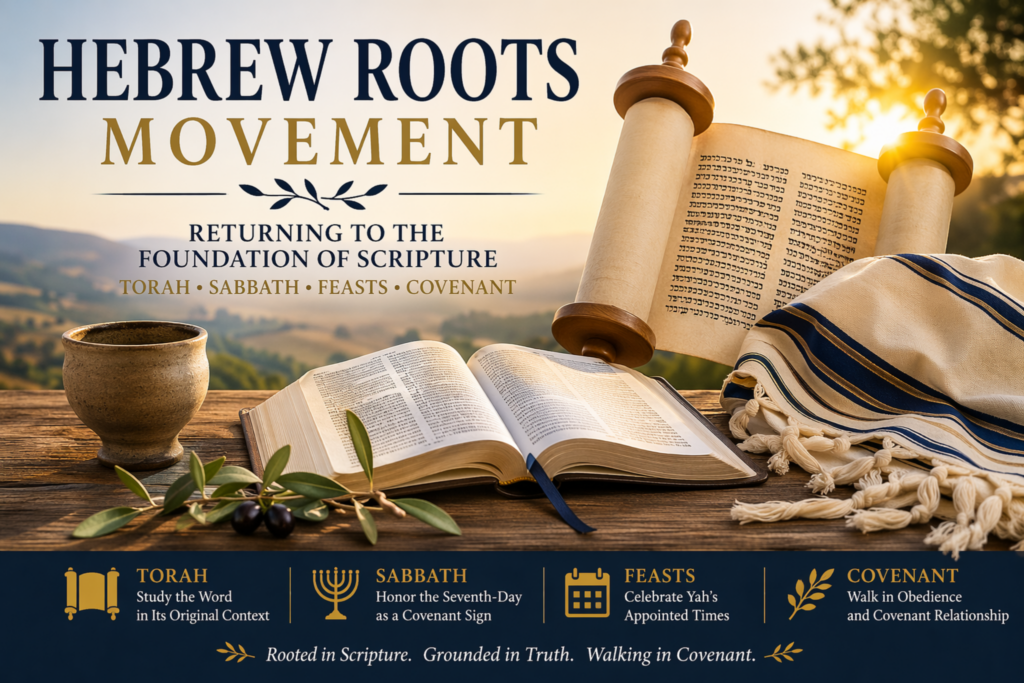
Hebrew Roots movement banner with Torah scroll, open Bible, and tallit at sunrise representing Torah, Sabbath, feasts, and covenant

Weekly Parashah Inspiration and Scripture Reflection

Each Torah portion meme is based on the themes found in the weekly Torah reading. The message may draw from the Torah portion itself, the Haftarah, Psalms, or related New Testament passages. Together, these readings help reveal the beauty of Yahuahโ€™s instruction and the call to walk in faithfulness.

Use these as outbound links: