The Hebrew alphabet meaning reveals far more than simple letters—it uncovers a rich, pictographic language filled with depth, symbolism, and truth. Each letter carries meaning that points to creation, covenant, and the character of Yahuah. Understanding the Hebrew alphabet helps bring deeper insight into Scripture and strengthens your walk in truth.
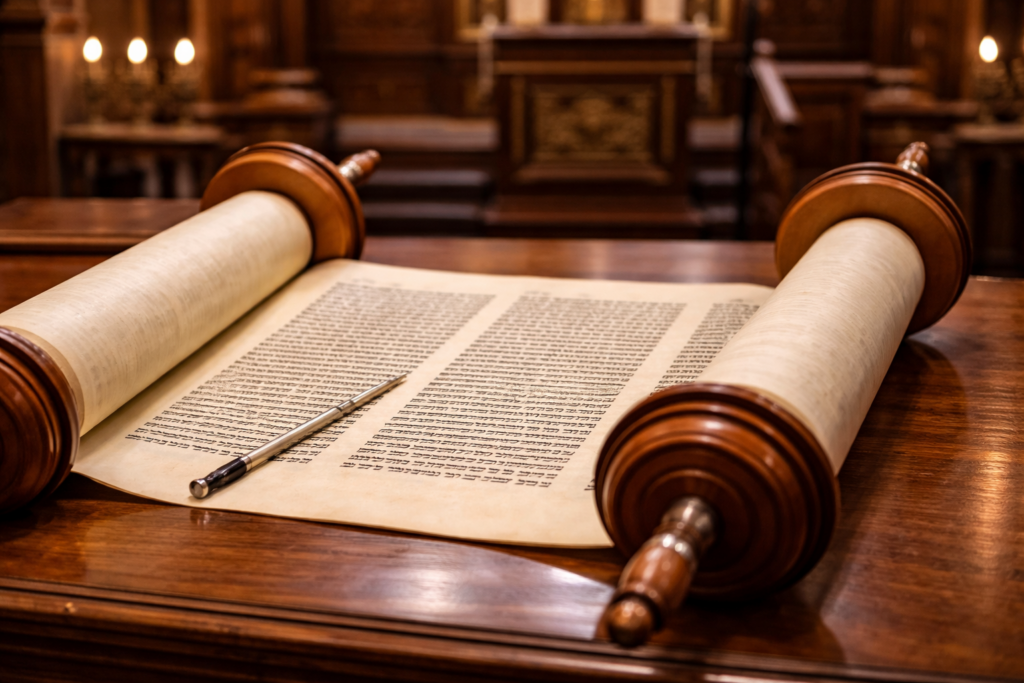
Biblical Hebrew Alphabet Guide
Explore the Aleph-Bet — its letters, meanings, pictographs & spiritual significance. The Hebrew alphabet meaning is not just linguistic but deeply spiritual, reflecting patterns found throughout Scripture.
Why the Hebrew Alphabet Matters
The Hebrew alphabet — called the Aleph-Bet (אָלֶף-בֵּית) — is one of the world’s oldest writing systems and the original language of the Hebrew Bible (Old Testament). Unlike modern alphabets that evolved purely for phonetic utility, each of the 22 Hebrew letters carries profound layers of meaning: a unique name, a numerical value (used in gematria), an ancient pictographic origin, and deep theological significance woven throughout Scripture.
Learning the Hebrew alphabet unlocks a richer understanding of God’s Word. Biblical names, places, and concepts take on new depth when you can trace their root letters back to these ancient symbols. Whether you’re studying Torah, the Psalms, or the New Testament’s Hebraic roots, the Aleph-Bet is your gateway.
This guide covers all 22 letters, their ancient pictograph meanings, pronunciation, gematria values, and biblical/spiritual significance — making it an ideal reference for beginners and seasoned students of Biblical Hebrew alike.
📖 Hebrew Reads Right to Left
One of the first things to know about Biblical Hebrew: it is written and read from right to left. When you open a Hebrew Bible, you begin at what English readers would call the “back” of the book.
The word above is Shalom (שָׁלוֹם), meaning “peace.” Notice the Shin (שׁ) on the far right is the first letter — you read leftward from there. This right-to-left directionality is consistent throughout all Hebrew texts and is considered significant: some traditions teach it symbolizes a return to the Source, reading toward the heart rather than away from it.
Hebrew Alphabet Meaning & Spiritual Significance
Below are all 22 letters of the Biblical Hebrew alphabet with their key attributes. Each card includes the Hebrew character, letter name, numerical (gematria) value, ancient pictograph meaning, phonetic pronunciation, an example Hebrew word, and spiritual/biblical significance. As you study each letter, the Hebrew alphabet meaning becomes clearer and reveals layers often hidden in translation.
א
אָלֶף
🐂Ox / Bull — strength, leader, first
Silent (glottal stop) — “ah” sound when voweled
אָב — Av (Father)
The first letter represents God as the Aleph — the Beginning of all things. In Hebrew, the word for “truth” (emet, אֱמֶת) starts with Aleph. Yeshua (Jesus) declared, “I am the Alpha and the Omega” — a Hebraic echo of Aleph and Tav.
ב
בֵּית
🏠House / Tent — dwelling, family, home
B (with dagesh) or V (without) — “beh/veh”
בַּיִת — Bayit (House)
The Torah begins with Bet: Bereshit (בְּרֵאשִׁית), “In the Beginning.” Tradition teaches that creation began with Bet because a house (Bet) is where life is built and nurtured. God’s creation is His dwelling with humanity.
ג
גִּימֶל
🐪Camel — movement, lifting up, generosity
G (hard) — “geh”
גָּדוֹל — Gadol (Great)
Gimel represents gemilut chasadim — acts of loving-kindness. The camel pictograph symbolizes the ability to carry and sustain others through difficult journeys. Three is the number of completeness and divine perfection (Father, Son, Spirit).
ד
דָּלֶת
🚪Door / Fish — pathway, access, humility
D — “deh”
דָּבָר — Davar (Word / Thing)
The door (Dalet) is a threshold — a place of decision and humility. Yeshua said, “I am the door” (John 10:9). Davar (word/thing) shares its root with Dalet, reminding us that God’s Word is the door to truth and life.
ה
הֵא
🙋Man with raised arms — behold, look, breath
H (aspirated) — “heh”
הַלְלוּיָהּ — Halleluyah (Praise YAH!)
He is the letter of divine breath and revelation. It appears twice in the sacred name of God — YHWH (יְהוָה). When God changed Abram’s name to Abraham and Sarai to Sarah (Genesis 17), He added the letter He from His own name into theirs.
ו
וָו
🔩Nail / Hook / Peg — connection, joining
V (modern); W (Yemenite); also O / U as vowel
וְשָׁלוֹם — V’Shalom (And peace)
Vav is the “and” of Hebrew — the connector. As a nail, it joins things together, symbolizing the connection between heaven and earth, God and humanity. It appears in YHWH (יהוה) as the connector. 6 represents humanity (created on day six).
ז
זַיִן
⚔️Sword / Weapon — cutting, completion, Sabbath
Z — “zayin”
זָהָב — Zahav (Gold)
The number 7 in Scripture is the number of completeness and the holy Sabbath. Zayin’s sword cuts through to truth and separates the holy from the common. The word for “remember” (zachor, זָכוֹר) — as in “Remember the Sabbath” — begins with Zayin.
ח
חֵית
🧱Fence / Enclosure — boundary, life, protection
Kh (guttural, like “Bach”) — “chet”
חַיִּים — Chayyim (Life)
8 is the number of new beginnings — beyond the natural cycle of 7. Circumcision occurs on day 8; the Feast of Tabernacles concludes on an 8th day. Chai (חַי — living) and Chayyim (life) both begin with Chet, making it the letter of life itself.
ט
טֵית
🐍Coiled serpent / Basket — good hidden within
T (emphatic) — “tet”
טוֹב — Tov (Good)
Tet is the first letter of Tov (good). The Torah’s first use of “good” in Genesis 1 (ki tov, כִּי טוֹב) contains Tet. Its serpent/basket shape represents goodness that is concealed — a hidden good waiting to be uncovered. Wisdom often looks coiled before it is revealed.
י
יוֹד
✋Hand / Arm — work, deed, divine action
Y (as in “yes”) — “yod”
יְשׁוּעָה — Yeshuah (Salvation)
The smallest letter in the alphabet, yet Yeshua said, “Not one jot [Yod] shall pass from the Law” (Matt. 5:18). Yod begins both the divine Name (YHWH — יהוה) and the name of Yeshua (יֵשׁוּעַ). It represents God’s working hand — every creation act is accomplished through Yod.
כ
כַּף
🤲Open palm / Bent hand — potential, submission
K (with dagesh) or Kh (without) — “kaf”
כֶּתֶר — Keter (Crown)
The open palm represents capacity and potential — what we hold and what we offer to God. The bent form (without dagesh) suggests submission and humility. Kaf begins kavod (כָּבוֹד — glory/honor), reminding us that true honor flows from humble surrender to God.
ל
לָמֶד
🦯Ox goad / Staff — teaching, learning, toward
L — “lah-med”
לֵב — Lev (Heart)
Lamed is the tallest Hebrew letter — reaching upward to God. It is the root of lamad (to learn/teach) and limmud (student). The ox goad prods the student toward growth. Lev (heart) begins with Lamed, because true learning enters the heart and changes the person from within.
מ
מֵם
💧Water / Waves — flowing knowledge, Torah
M — “mem”
מַיִם — Mayim (Water)
Water is life-giving, cleansing, and essential — just as Torah is. 40 is the number of testing and transformation: 40 days of flood, 40 years in the wilderness, 40 days of Moses on Sinai. Open Mem (מ) represents revealed wisdom; closed final Mem (ם) represents hidden, sealed wisdom of the Messiah.
נ
נוּן
🐟Fish / Seed — fruitfulness, faithfulness, soul
N — “noon”
נֵר — Ner (Lamp / Light)
50 is the number of Jubilee and freedom — the year of release. The fish (Nun) moves swiftly in deep waters, representing the soul moving through the depths of this world. Nefesh (נֶפֶשׁ — soul) and Ner (lamp) both begin with Nun. “Your word is a lamp to my feet” (Psalm 119:105).
ס
סָמֶךְ
🌀Prop / Thorn / Support — support, divine protection
S (like “sun”) — “sah-mekh”
סֵפֶר — Sefer (Book / Scroll)
Samech is a closed, circular letter — representing God’s endless, surrounding support and protection. “The Lord upholds [somech] all who fall” (Psalm 145:14). Its perfect circle also points to the cyclical nature of time, the Biblical calendar, and God’s eternal faithfulness.
ע
עַיִן
👁️Eye — sight, perception, spiritual insight
Silent in modern Hebrew; guttural in classical
עוֹלָם — Olam (World / Eternity)
The Eye (Ayin) represents spiritual perception. 70 symbolizes the 70 nations of the world (Genesis 10) and the 70 faces of Torah — the many perspectives of divine truth. Eved (עֶבֶד — servant) and Avodah (worship/work) begin with Ayin — true service is seeing God in everything.
פ
פֶּה
👄Mouth — speech, prayer, declaration
P (with dagesh) or F (without) — “peh”
פֶּה — Peh (Mouth)
Peh is the letter of speech — the power of the mouth to speak blessing or cursing, life or death (Proverbs 18:21). Inside the Peh character, many see a hidden Bet (בּ) — a house within the mouth, reminding us that our words create our dwelling. Prayer (tefillah) is the mouth turned toward God.
צ
צָדִי
🪝Fishhook / Righteous person — pursuit, righteousness
Tz (like “pizza”) — “tzah-dee”
צַדִּיק — Tzaddik (Righteous one)
Tzadi is the letter of the righteous person (tzaddik), who bends themselves toward God like a fishhook curves toward its purpose. Tzedakah (righteousness/charity) begins with Tzadi. The righteous person fishes for souls and hooks their own heart to God’s commands with faithful devotion.
ק
קוֹף
☀️Back of head / Sun on horizon — cycle, sanctity
Q (deep, back-of-throat K) — “kof”
קָדוֹשׁ — Kadosh (Holy)
Kadosh (קָדוֹשׁ — holy/set-apart) begins with Qof. The shape of Qof, with a descending stroke that goes below the baseline, is said to represent holiness reaching down into the material world. “Holy, Holy, Holy is the LORD of hosts” (Isaiah 6:3) — the word for holy is Qof-dalet-shin.
ר
רֵישׁ
👤Head / Person — headship, first, humility
R (soft, not trilled) — “resh”
רוּחַ — Ruach (Spirit / Wind / Breath)
Ruach (רוּחַ) — Spirit — begins with Resh. The “Ruach HaKodesh” (Holy Spirit) breathes life into all creation. Resh as “head” reminds us that God is the head of all things. Interestingly, rasha (wicked) also begins with Resh — the head turned away from God rather than toward Him.
שׁ
שִׁין
🔥Teeth / Flame — fire, consuming, divine presence
Sh (שׁ with right dot) or S (שׂ with left dot)
שָׁלוֹם — Shalom (Peace / Wholeness)
Shin is one of the most significant Hebrew letters. The three prongs represent the divine flame. The Shema (שְׁמַע — “Hear, O Israel”) begins with Shin. Shin appears on the mezuzah and on tefillin. El Shaddai — God Almighty — begins with Shin. It represents God’s all-consuming presence and holiness.
ת
תָּו
✝️Cross / Mark / Sign — covenant, seal, truth
T — “tahv”
תּוֹרָה — Torah (Law / Teaching / Instruction)
Tav is the last letter — the completion of the Aleph-Bet. In ancient Hebrew (Paleo-Hebrew script), Tav was written as an X or cross — a mark of covenant. Ezekiel 9:4 speaks of God marking (tav) the foreheads of the righteous. Torah (תּוֹרָה — God’s teaching) begins with Tav, completing and fulfilling all. The word for “truth” in Hebrew (emet, אֱמֶת) spans Aleph to Tav — beginning to end — representing complete, eternal truth.
Final Forms — The Sofit Letters (אוֹתִיּוֹת סוֹפִיּוֹת)
Five Hebrew letters have a special final form (sofit) when they appear at the end of a word. These letters extend downward below the baseline in their final position. Recognizing these forms is essential for reading Biblical Hebrew accurately.
| Letter Name | Standard Form | Final (Sofit) Form | Standard Value | Final Value | Example Word |
|---|---|---|---|---|---|
| Kaf | כ | ך | 20 | 500 (in some systems) | מֶלֶךְ — Melekh (King) |
| Mem | מ | ם | 40 | 600 (in some systems) | שָׁלוֹם — Shalom (Peace) |
| Nun | נ | ן | 50 | 700 (in some systems) | אָמֵן — Amen |
| Peh | פ | ף | 80 | 800 (in some systems) | אַף — Af (Also / Nose / Anger) |
| Tzadi | צ | ץ | 90 | 900 (in some systems) | אֶרֶץ — Eretz (Land / Earth) |
Memory tip: Think of the final forms as the letters “stretching out” to rest at the end of a word — they dip below the line like a note held at the end of a song.
Vowel Points — Nikud (נִיקּוּד)
Classical Biblical Hebrew was originally written with consonants only — no vowels. Around the 6th–10th centuries CE, the Masoretes (Jewish scribal scholars) developed a system of small dots and dashes called Nikud (נִיקּוּד) to represent vowel sounds, preserving the correct pronunciation of Scripture.
In modern printed Bibles, Siddurim (prayer books), and beginner texts, Nikud is included. Advanced readers and Torah scrolls are written without vowels, relying on oral tradition and context.
🌱 Tips for Beginners Learning to Read Biblical Hebrew
- Start with the letters, not the language. Spend your first 1–2 weeks simply learning to recognize and name all 22 letters. Flash cards work wonderfully. You don’t need to know any Hebrew words yet.
- Learn the block (square) script first. This is the script used in modern Hebrew Bibles and is the most practical for reading Torah. Ancient/Paleo-Hebrew script can come later once you’re comfortable.
- Practice with voweled text. Use a Hebrew Bible with Nikud (vowel points) — such as the Biblia Hebraica Stuttgartensia or the Hebrew-English Interlinear Bible — when beginning. This allows you to sound out words before you have them memorized.
- Memorize the five sofit (final) forms early. Kaf (ך), Mem (ם), Nun (ן), Peh (ף), and Tzadi (ץ) appear frequently at word endings. Recognizing them quickly will greatly speed your reading.
- Read aloud every day. Even 10 minutes of daily Hebrew reading — out loud — builds the neural pathways needed for fluency. The ear helps train the eye.
- Learn key root words. Biblical Hebrew is a root-based language. Most words share 3-letter roots (shorashim, שֹׁרָשִׁים). Once you know a root, you can understand many related words. For example, Shin-Lamed-Mem (שׁלם) gives you Shalom, Shalem (complete), and Shulam (paid/recompense).
- Connect letters to their pictographs. The ancient pictographic meanings (this guide) are powerful memory aids. When you see Mem (מ), picture water. When you see Yod (י), picture a hand. These associations help the letters stick.
- Join a study group or find an online tutor. Hebrew was designed to be communal — it was spoken in community, studied in community. A chevrutah (study partner) or class accelerates learning dramatically.
- Be patient and enjoy the journey. Learning Biblical Hebrew is a lifelong discipline, not a sprint. Each letter you learn is a step deeper into God’s Word. Celebrate small victories — the first time you read a full word, a full verse, a full psalm — these are holy moments.
📚 Recommended Resources for Learning Biblical Hebrew
These resources are widely used by seminarians, pastors, and independent Bible students for learning to read and study Biblical Hebrew:
- Basics of Biblical Hebrew Grammar
By Gary D. Pratico & Miles V. Van Pelt. The most widely used seminary textbook for Biblical Hebrew. Thorough, structured, and designed for serious study. - Biblical Hebrew: A Text and Workbook
By Bonnie Pedrotti Kittel. Gentler introduction, good for self-study. Workbook format with plenty of practice. - Hebrew4Christians (Hebrew4Christians.com)
Free online resource by John J. Parsons. Excellent for learning aleph-bet, vocabulary, and spiritual meanings of each letter. Highly recommended for Messianic/Christian learners. - Duolingo Hebrew (Modern Hebrew)
While modern, Duolingo is an excellent free tool for building reading fluency. The script and many words overlap with Biblical Hebrew. - The Ancient Hebrew Research Center (AHR)
Jeff Benner’s resource at AncientHebrew.org covers pictographic origins of letters and roots. Invaluable for understanding the original pictographic meanings. - e-Sword (Free Bible Software)
Free, powerful Bible software with Strong’s Hebrew Lexicon, interlinear Bibles, and Hebrew tools. Essential for word studies. - Blue Letter Bible (BlueletterBible.org)
Free online tool for looking up Hebrew words, Strong’s numbers, and lexicon entries for every word in the Old Testament. - The Hebrew Bible (Biblia Hebraica Stuttgartensia / BHS)
The standard critical edition of the Hebrew Old Testament. A must-have once you are reading with some proficiency.
www.ancient-hebrew.org/alphabet/
https://www.blueletterbible.org/resources/biblical-languages.cfm
https://hebrew4christians.com/Grammar/Unit_One/Aleph-Bet/aleph-bet.html
Wear the Word — Hebrew Name Prints
Celebrate the beauty of Biblical Hebrew in your home or as a meaningful gift. Our custom Hebrew name prints and Scripture art at HalleluYahPrints bring the living letters of God’s Word to life — beautifully printed for your wall, your family, or someone you love.
Each name or verse is crafted with care, honoring the sacred heritage of the Aleph-Bet you’ve just explored. This is why learning the Hebrew alphabet meaning can transform how you read and understand the Bible.